10 Dinner Salad Ideas: Fresh, Healthy, and Satisfying Meals for Any Night

When people think about salad, they often imagine a small bowl of lettuce served alongside a larger meal. However, a well-prepared dinner salad can be much more than a side dish. With fresh vegetables, protein, healthy fats, grains, and a flavorful dressing, salad can become a complete and satisfying dinner that is easy to prepare and enjoyable to eat.
A good dinner salad is also incredibly flexible. You can make one with grilled chicken, fish, eggs, beans, cheese, roasted vegetables, or grains. You can keep it light during warmer months or add hearty ingredients when you want something more filling. Because there are so many combinations available, it is easy to create a salad that matches your personal taste and lifestyle.
What Is a Dinner Salad?
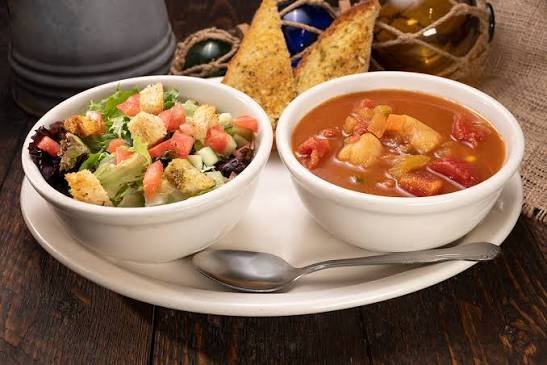
A dinner salad is a salad that is substantial enough to be served as an evening meal. Unlike a simple side salad, it generally contains a combination of ingredients designed to provide more flavor, texture, and staying power.
A typical dinner salad may begin with leafy greens such as romaine lettuce, spinach, kale, or mixed greens. Fresh vegetables can then be added for color and crunch. Protein such as chicken, tuna, eggs, beans, tofu, or salmon can make the salad more filling.
Healthy fats, including avocado, nuts, seeds, olives, and certain cheeses, can add richness. For an even heartier meal, you can include quinoa, brown rice, barley, or whole-grain pasta.
The result is a meal that can be customized almost endlessly.
Why Have Salad for Dinner?
There are several reasons to make salad part of your evening meal. One of the biggest advantages is variety. Salads allow you to combine different vegetables, proteins, herbs, and dressings in one bowl.
Fresh vegetables can also bring color and different textures to your plate. Crunchy cucumbers, juicy tomatoes, sweet peppers, and leafy greens can make dinner feel fresh rather than heavy.
Another benefit is convenience. Many salad ingredients can be prepared ahead of time. You can wash your greens, chop vegetables, cook your protein, and prepare a dressing earlier in the day. When dinner arrives, everything can be assembled in just a few minutes.
A dinner salad can also be adapted to different eating preferences. It can be vegetarian, vegan, high-protein, Mediterranean-inspired, or made with ingredients that your family already enjoys.
How to Build a Complete Dinner Salad
Making a satisfying salad is easier when you think about it in layers. Instead of simply adding random ingredients to a bowl, try building your meal around several basic components.
Start With Fresh Greens
Leafy greens are a natural foundation for most salads. Romaine lettuce provides a crisp texture, while spinach has a softer bite. Arugula offers a peppery flavor, and kale can create a more substantial base.
You can use one type of green or mix several together. A combination of romaine and spinach, for example, provides both crunch and softness.
Make sure your greens are washed and dried properly. Excess water can dilute your dressing and make the salad less enjoyable.
Add Plenty of Vegetables
Vegetables are where you can really add color and personality to your dinner salad.
Try ingredients such as:
- Tomatoes
- Cucumbers
- Carrots
- Bell peppers
- Red onions
- Broccoli
- Cabbage
- Radishes
- Corn
- Avocado
You don’t have to use all of them at once. Choose a few ingredients that complement each other.
You can also use cooked vegetables. Roasted sweet potatoes, zucchini, mushrooms, broccoli, or bell peppers can add warmth and a deeper flavor to a dinner salad.
Include a Good Protein Source
If salad is your main dinner, protein can help make it more satisfying.
Grilled chicken is one of the easiest choices because it works with many different dressings and vegetables. You can also use leftover roasted chicken, turkey, tuna, salmon, shrimp, boiled eggs, or lean beef.
For vegetarian meals, beans, chickpeas, lentils, tofu, and tempeh are useful options. Adding protein also gives you more opportunities to experiment with flavors.
For example, grilled chicken pairs nicely with a creamy herb dressing, while chickpeas work well with lemon, olive oil, and Mediterranean-style ingredients.
Add Healthy Fats for Flavor
Healthy fats can make a salad taste richer and more satisfying. Avocado is a particularly popular addition because it has a creamy texture that contrasts nicely with crunchy vegetables.
Nuts and seeds can also provide texture. Almonds, walnuts, sunflower seeds, pumpkin seeds, and sesame seeds can all work well.
Olives are another flavorful option, especially in Mediterranean-inspired salads. A small amount of cheese, such as feta, mozzarella, or Parmesan, can also add a savory element.
The goal is balance rather than adding every possible topping.
Don’t Forget About Carbohydrates
Some people think that a dinner salad should contain only vegetables and protein. However, adding a source of carbohydrates can make the meal more substantial, especially if you have a busy evening.
Cooked quinoa, brown rice, barley, farro, corn, beans, or whole-grain pasta can turn a light salad into a hearty dinner.
You can also add roasted potatoes or sweet potatoes. These ingredients pair especially well with greens and grilled proteins.
Easy Dinner Salad Ideas
One of the best things about salads is that you don’t need to follow a complicated recipe. Here are several combinations you can try at home.
Classic Chicken Dinner Salad
Start with romaine or mixed greens and add grilled chicken, tomatoes, cucumbers, carrots, red onion, and avocado. Finish with your favorite vinaigrette or a light creamy dressing.
This combination is simple, colorful, and suitable for almost any night of the week.
Mediterranean-Inspired Salad
Combine mixed greens with cucumber, tomatoes, red onion, chickpeas, olives, and feta cheese. Add a dressing made with olive oil, lemon juice, garlic, and dried herbs.
This type of salad is especially good when you want bright, fresh flavors.
Tuna and Egg Salad
For a quick dinner, combine leafy greens with tuna, boiled egg, cucumber, tomatoes, sweet corn, and red onion. A lemon-based dressing can bring all the ingredients together.
Because canned tuna and eggs are convenient, this is a useful option for busy evenings.
Vegetarian Grain Salad
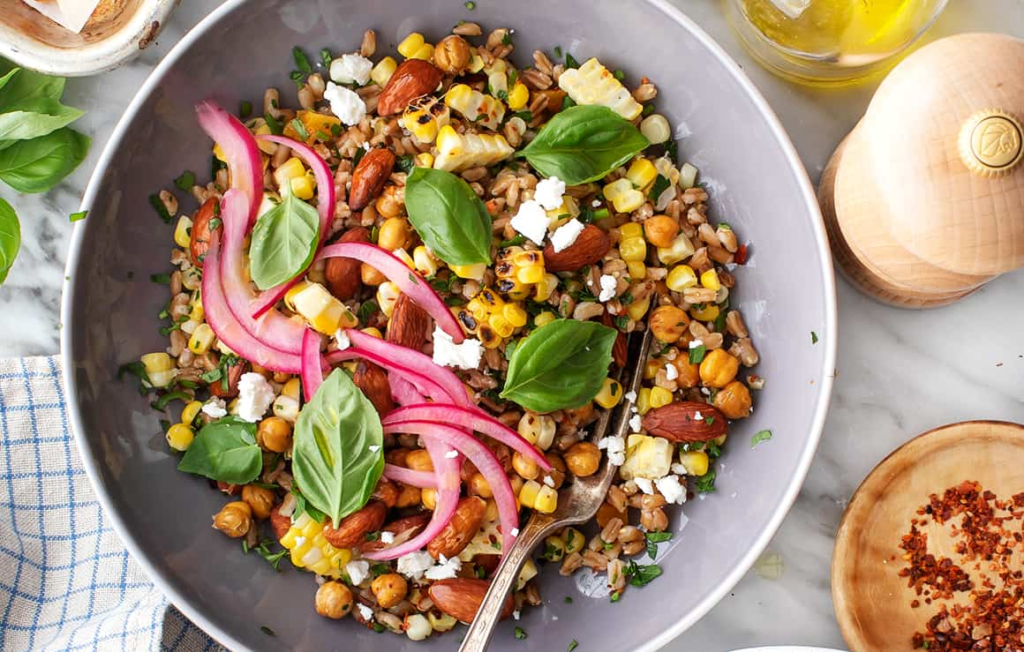
For a meat-free dinner, combine spinach with quinoa, chickpeas, roasted vegetables, avocado, and pumpkin seeds. Add a simple lemon and olive oil dressing.
The combination of grains, beans, vegetables, and healthy fats can create a filling bowl without meat.
Salmon Dinner Salad
Grilled or baked salmon can turn a simple salad into an elegant dinner. Pair it with mixed greens, cucumber, tomatoes, avocado, and roasted vegetables.
A lemon-herb dressing can complement the salmon without overpowering its natural flavor.
Choosing the Right Dressing
The dressing can make or break a dinner salad. Even excellent ingredients can taste disappointing if the dressing is too heavy, too sweet, or too salty.
A simple homemade vinaigrette is often enough. Combine olive oil with lemon juice or vinegar, then add mustard, herbs, garlic, black pepper, or other seasonings.
For a creamy dressing, Greek yogurt can be combined with lemon juice, herbs, garlic, and a small amount of seasoning.
If you are using strong ingredients such as feta cheese, olives, or smoked fish, you may want a lighter dressing. On the other hand, mild vegetables can benefit from a more flavorful sauce.
Always add dressing gradually. Toss the salad first and then decide whether it needs more.
How to Keep Salad Fresh
One of the biggest problems with prepared salads is soggy greens. Fortunately, it is easy to prevent this with a little planning.
Wash leafy greens thoroughly and dry them before storing them. A salad spinner can be useful, but you can also gently dry the greens with a clean kitchen towel.
Store the dressing separately from the vegetables whenever possible. If you are preparing lunch or dinner in advance, place the dressing in a small container rather than pouring it over the salad immediately.
Ingredients with high water content, such as tomatoes and cucumbers, can also make greens softer over time. If you’re preparing a salad several hours ahead, consider storing these ingredients separately.
Tips for Making Better Dinner Salads
A few simple techniques can make your salads much more enjoyable.
First, use ingredients with different textures. Combine crisp vegetables with creamy avocado, crunchy nuts, or tender protein.
Second, include different flavors. Sweet ingredients such as roasted vegetables or fruit can balance salty cheese or olives. Lemon juice can brighten rich ingredients.
Third, season your ingredients instead of relying entirely on the dressing. A little black pepper, fresh herbs, garlic, or lemon can make a significant difference.
Finally, don’t make the salad too complicated. A few high-quality ingredients that work well together are often better than a bowl containing too many unrelated flavors.
Common Mistakes to Avoid
A common mistake is making a dinner salad that consists almost entirely of lettuce. While greens are useful, they may not provide enough variety or satisfaction on their own.
Another mistake is adding too much dressing. Excess dressing can make vegetables soggy and cover up their natural flavors. Start with a small amount and add more only when necessary.
Using too many toppings can also make the salad difficult to eat. Instead, choose ingredients that complement one another.
Finally, don’t assume that every salad is automatically a light meal. Large amounts of creamy dressing, cheese, fried toppings, or other calorie-dense ingredients can significantly change the overall meal. Balance is the key.
Preparing Dinner Salads Ahead of Time
Meal preparation can make salads particularly convenient. At the beginning of the week, you can wash your greens, chop sturdy vegetables, cook grains, and prepare your preferred protein.
Store the components in separate containers so that you can assemble a fresh salad whenever you need one.
Cooked chicken, boiled eggs, beans, quinoa, and roasted vegetables can all be prepared in advance. Keep delicate ingredients and dressing separate until you’re ready to eat.
This approach can save time on busy evenings and reduce the temptation to rely on takeout or highly processed convenience foods.
Frequently Asked Questions About Dinner Salad
1. What is a dinner salad?
A dinner salad is a salad that is filling and nutritious enough to serve as a complete evening meal. It usually combines leafy greens, vegetables, protein, healthy fats, and sometimes grains or other hearty ingredients.
2. What should I put in a dinner salad?
A balanced dinner salad can include leafy greens, fresh vegetables, grilled chicken, tuna, eggs, beans, avocado, nuts, seeds, cheese, or whole grains. You can choose ingredients based on your taste and dietary preferences.
3. Is salad enough for dinner?
Yes, a salad can be enough for dinner when it contains a good balance of protein, vegetables, healthy fats, and carbohydrates. Adding ingredients such as chicken, beans, eggs, quinoa, or avocado can make the meal more satisfying.
4. What protein is best for a dinner salad?
Chicken, salmon, tuna, eggs, shrimp, chickpeas, lentils, tofu, and beans are all excellent choices. The best option depends on your personal taste and dietary preferences.
5. What dressing goes well with a dinner salad?
Many dressings work well with dinner salads. A simple combination of olive oil and lemon juice is a popular choice. You can also try balsamic vinaigrette, herb dressing, yogurt-based dressing, or a light mustard dressing.
6. How can I make a dinner salad more filling?
To make a salad more filling, add protein, fiber-rich vegetables, healthy fats, and whole grains. Ingredients such as grilled chicken, chickpeas, avocado, quinoa, beans, nuts, and seeds can make a salad more substantial.
7. Can I prepare a dinner salad ahead of time?
Yes, most dinner salad ingredients can be prepared in advance. Wash and dry the greens, chop vegetables, cook your protein, and prepare the dressing separately. Keep the dressing away from the greens until you’re ready to eat.
8. How do I keep a dinner salad from getting soggy?
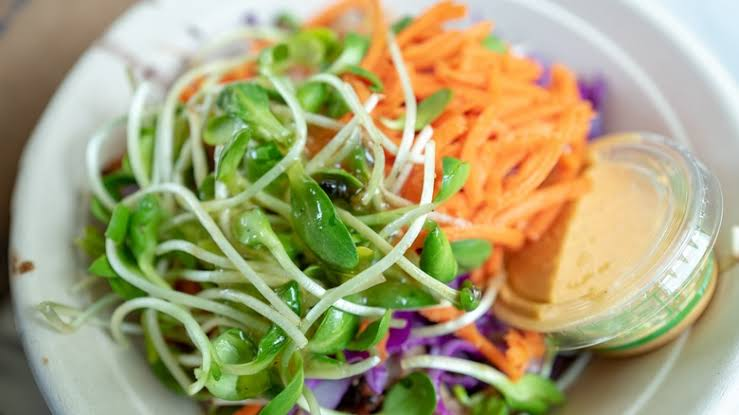
Keep the salad dressing separate until serving and make sure leafy greens are completely dry after washing. Ingredients with high water content, such as tomatoes and cucumbers, can also be stored separately when preparing the salad in advance.
Final Thoughts
A dinner salad can be one of the easiest meals to customize. Whether you prefer grilled chicken, fresh vegetables, salmon, beans, eggs, or grains, there are countless ways to create a bowl that fits your taste.
The secret to a satisfying salad is balance. Start with fresh greens, add colorful vegetables, include a source of protein, choose a few healthy fats, and add grains or other hearty ingredients when you want a more substantial meal. Finish everything with a flavorful dressing.
You don’t need complicated recipes or expensive ingredients to make a delicious dinner salad. With a little creativity and preparation, simple ingredients can come together to create a fresh, colorful, and enjoyable meal for almost any night of the week.