
Introduction
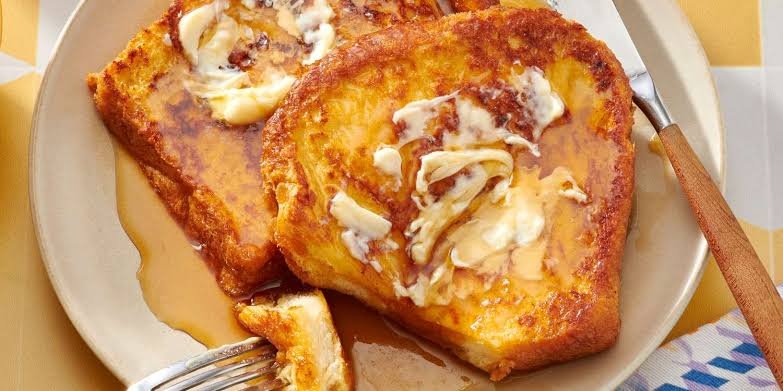
French toast is a popular breakfast dish loved by people around the world.
It is made by dipping slices of bread into a mixture of eggs and milk.
The bread is then cooked until golden brown, creating a soft center and crispy edges.
Many people enjoy French toast with fresh fruits, honey, maple syrup, or powdered sugar.
Its simple preparation and delicious taste make it a wonderful choice for breakfast or brunch.
1. What Is French Toast?
French toast is a classic dish prepared by soaking bread in a mixture of beaten eggs, milk, and optional spices. The soaked bread is cooked in a pan until both sides become golden brown. This process creates a slightly crispy surface with a soft and tender center. French toast is enjoyed in many countries, although its ingredients and serving styles may vary. Some people prefer a sweet version, while others enjoy savory toppings. It is an excellent way to transform ordinary bread into a satisfying meal. Because it requires only a few basic ingredients, French toast is easy to prepare at home. Its comforting flavor and appealing texture have made it a favorite among breakfast lovers.
2. History and Origin of French Toast
French toast has a long culinary history that dates back centuries. Similar recipes appeared in ancient Roman cooking traditions, where bread was soaked in a mixture of milk and eggs before being cooked. Over time, different cultures developed their own versions of this dish. Despite its name, French toast did not necessarily originate in France. In France, a related dish is known as pain perdu, which means lost bread. The name refers to the practice of using stale bread instead of throwing it away. This traditional method helped households reduce food waste and make practical use of leftovers. Today, French toast is prepared in homes, cafes, and restaurants throughout the world.
3. Ingredients Needed to Make French Toast
Preparing homemade French toast does not require complicated ingredients. The basic recipe includes bread, eggs, milk, and a small amount of butter or cooking oil. Vanilla extract and ground cinnamon can be added to create a pleasant aroma and richer flavor. A pinch of salt may also help balance the sweetness. For serving, popular choices include maple syrup, honey, fresh strawberries, bananas, and powdered sugar. The quality of the ingredients can influence the final taste and texture. Fresh eggs and suitable bread help create a satisfying result. Choosing ingredients according to personal preferences makes it easy to prepare a breakfast that everyone can enjoy.
4. How to Make French Toast at Home
Making French toast at home is a straightforward process that even beginners can follow. First, crack the eggs into a shallow bowl and whisk them together with milk, cinnamon, and vanilla extract. Dip each slice of bread into the mixture, allowing it to absorb enough liquid without becoming too soggy. Heat a lightly buttered frying pan over medium heat. Place the coated bread slices in the pan and cook them for a few minutes on each side. Turn the slices carefully when the undersides become golden brown. Once both sides are cooked and the center is heated through, transfer the toast to a plate. Serve immediately with your favorite toppings for the best taste and texture.
5. Choosing the Best Bread for French Toast
The type of bread used can make a noticeable difference in French toast. Brioche is a popular choice because its rich texture produces a tender and flavorful result. Challah is another excellent option, offering a soft interior and a slightly sweet taste. Thick slices of sourdough or ordinary white bread can also work well. Slightly stale bread is often useful because it absorbs the egg mixture without falling apart as easily as very fresh bread. Whole-wheat bread provides a more substantial texture and a different flavor. It is important to avoid soaking delicate slices for too long. Selecting the right bread helps create French toast that is flavorful, evenly cooked, and enjoyable with a variety of toppings.
6. Popular French Toast Toppings
Toppings can turn a simple serving of French toast into a special breakfast. Maple syrup is a traditional favorite because its sweetness complements the lightly browned bread. Fresh fruits, including blueberries, strawberries, apples, and bananas, add color and natural flavor. A light dusting of powdered sugar gives the dish an attractive finish. People who enjoy richer meals may add whipped cream, yogurt, or a small amount of chocolate spread. Chopped nuts can provide a pleasant crunch. For a more balanced plate, fruit can be combined with plain yogurt and a modest drizzle of honey. Experimenting with different combinations allows everyone to discover a favorite way to enjoy French toast.
7. Sweet and Savory French Toast Variations
Although French toast is commonly served as a sweet breakfast, it can also be prepared in savory styles. Sweet versions often include cinnamon, vanilla, fruit, syrup, or a little sugar in the egg mixture. These ingredients create a comforting flavor that pairs well with tea or coffee. Savory French toast can be seasoned with black pepper, herbs, and a small amount of salt. It may be served with cheese, tomatoes, mushrooms, or sautéed vegetables. Some people also enjoy it alongside eggs or other breakfast foods. The recipe is flexible enough to suit different tastes and meal preferences. Whether sweet or savory, the key is to cook the bread evenly and choose ingredients that complement one another.
8. Health and Nutritional Value of French Toast
The nutritional value of French toast depends on the bread, cooking fat, portion size, and toppings used. Eggs provide protein, while milk contributes protein and calcium. Whole-grain bread can supply more fiber than many refined-bread alternatives. However, adding large amounts of syrup, sugar, butter, or whipped cream can increase the overall calorie and sugar content. People looking for a more balanced breakfast can use whole-grain bread, moderate the cooking fat, and serve the toast with fresh fruit. Adding yogurt or another protein-rich food may also help make the meal more filling. There is no single nutritional profile for every recipe, so the ingredients and serving size should be considered when planning meals.
9. Common Mistakes to Avoid When Making French Toast
A few simple mistakes can affect the texture and flavor of homemade French toast. One common problem is soaking bread for too long, which can cause thin slices to break apart or become overly wet. Another is cooking over excessively high heat, which may brown the outside before the center is properly cooked. Using too little egg mixture can leave the bread dry, while too much liquid may create a soggy result. Forgetting to preheat the pan can also lead to uneven browning. It helps to use medium heat and allow each side to cook properly before turning it over. Choosing thicker bread and whisking the egg mixture thoroughly can make the process easier. With a little practice, these problems are simple to prevent.
10. French Toast for Kids and Families
French toast is a convenient meal for families because it can be prepared with familiar ingredients and customized for different preferences. Children may enjoy small pieces topped with sliced bananas, strawberries, or a light drizzle of syrup. Adults can add cinnamon, nuts, or other toppings according to their tastes. Families can also prepare several slices together, making breakfast easier on busy mornings. Using different bread varieties can introduce new flavors without changing the basic cooking method. Parents should ensure the egg mixture is fully cooked before serving it to children. Cutting the toast into manageable pieces can make it easier for younger children to eat. With thoughtful toppings and suitable portions, French toast can be a pleasant addition to a family breakfast.
11. Creative Ways to Serve French Toast
There are many creative ways to present French toast beyond serving plain slices on a plate. French toast sticks are easy to dip into yogurt or a small bowl of syrup. Stuffed French toast can be made by placing a filling, such as cream cheese and fruit, between two slices before cooking. A layered French toast casserole is another option for family gatherings and weekend brunches. For a festive presentation, arrange the toast with colorful berries and a sprinkle of cinnamon. Savory versions can be paired with roasted vegetables or a fresh salad. Different shapes and serving styles can make the dish more appealing for special occasions. These variations keep the basic recipe interesting while allowing cooks to experiment with familiar ingredients.
12. Tips for Perfect Homemade French Toast
A few practical techniques can help produce delicious French toast consistently. Start by selecting bread that is sturdy enough to hold the egg mixture. Whisk the eggs, milk, and seasonings until they are well combined. Dip the bread briefly and let excess liquid drip away before placing it in the pan. Use a nonstick skillet or a well-seasoned pan with a small amount of butter. Maintain medium heat so the bread browns gradually without burning. Cook each slice until the outside is golden and the inside is fully cooked. If preparing several servings, keep finished slices warm in a low-temperature oven while cooking the remaining bread. Serve the toast promptly and add toppings just before eating to preserve its texture.
Conclusion
French toast is a timeless breakfast dish that combines simple ingredients with comforting flavor.
Its versatility makes it suitable for quick weekday meals, relaxed weekends, and special brunches.
With the right bread, a balanced egg mixture, and careful cooking, anyone can prepare it at home.
Different toppings and savory variations provide plenty of opportunities to customize each serving.
Whether enjoyed plain or with creative additions, French toast remains a delicious choice for many occasions.
Frequently Asked Questions (FAQs)
1. What ingredients are needed to make French toast?
The basic ingredients are bread, eggs, milk, and butter or cooking oil. Cinnamon, vanilla extract, and a pinch of salt are optional additions that can improve the flavor. Fresh fruit, honey, or maple syrup can be used as toppings.
2. Which bread is best for French toast?
Brioche and challah are excellent choices because they have a soft texture and absorb the egg mixture well. Thick-cut white bread and sourdough also work nicely. Slightly stale bread is often helpful because it is less likely to become soggy during preparation.
3. Can French toast be part of a healthy breakfast?
Yes, French toast can fit into a balanced breakfast when prepared with suitable ingredients and reasonable portions. Whole-grain bread, moderate amounts of butter, and fresh fruit can make a satisfying combination. Limiting added sugar and heavy toppings can also help manage the meal’s overall nutritional content.