
Introduction
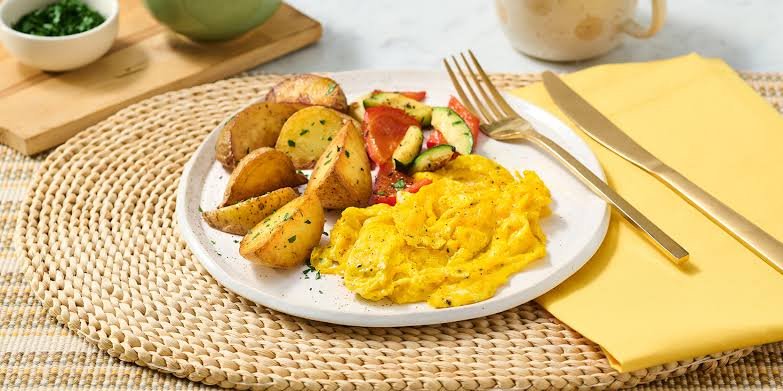
Scrambled Eggs are one of the most popular breakfast dishes enjoyed by people around the world. They are easy to prepare, require only a few basic ingredients, and can be served in many different ways. Their soft texture and rich flavor make them a favorite choice for both children and adults. Whether served with toast, fresh vegetables, or warm bread, scrambled eggs can turn an ordinary morning into a satisfying meal. With a little attention to cooking time and temperature, anyone can prepare delicious scrambled eggs at home.
1. What Are Scrambled Eggs?
Scrambled Eggs are made by breaking eggs into a bowl, beating them together, and cooking them gently in a pan. As the eggs heat up, they form soft, tender curds that create their familiar appearance. Unlike fried or boiled eggs, scrambled eggs are stirred during cooking to produce a light and fluffy texture. Some people enjoy them plain, while others prefer adding milk, butter, cheese, or seasonings. Their simple preparation makes them suitable for busy mornings and relaxed weekend breakfasts. They can also be served as part of lunch or dinner when a quick meal is needed.
2. Why Scrambled Eggs Are a Popular Breakfast Choice
Many people choose scrambled eggs because they are quick, convenient, and filling. A fresh serving can usually be prepared in just a few minutes, making it ideal for people with busy schedules. Eggs also pair well with common breakfast foods, including toast, potatoes, tomatoes, and fruit. Their mild taste allows cooks to experiment with different flavors without making the dish complicated. Scrambled eggs can be prepared for one person or a whole family with little extra effort. This combination of convenience, flexibility, and flavor explains why they remain a breakfast favorite in many households.
3. Ingredients Needed to Make Scrambled Eggs
One of the best things about scrambled eggs is that they do not require an extensive ingredient list. Fresh eggs, a small amount of butter or cooking oil, and a pinch of salt are enough to prepare a basic version. Black pepper can add a gentle warmth, while milk or cream may be included for a slightly richer result. Some cooks prefer adding fresh herbs, shredded cheese, or chopped vegetables for extra flavor. Choosing good-quality ingredients can improve the taste of the finished dish. Keeping the recipe simple also makes it easier to adjust the ingredients according to personal preferences.
4. How to Prepare Scrambled Eggs at Home
Start by cracking the eggs into a clean bowl and whisking them until the yolks and whites are evenly combined. Add a little salt and pepper if desired, then place a nonstick pan over low to medium-low heat. Melt a small amount of butter or add cooking oil before pouring in the beaten eggs. Allow them to sit briefly, then stir gently with a spatula as soft curds begin to form. Continue moving the eggs around the pan so they cook evenly without becoming dry. Remove the pan from the heat when the eggs are fully cooked but still tender.
5. Tips for Making Soft and Fluffy Scrambled Eggs
Cooking temperature plays an important role in achieving soft scrambled eggs. High heat can make the eggs firm and rubbery before they have a chance to develop a delicate texture. Gentle heat gives you more control and helps prevent overcooking. Whisking the eggs thoroughly before cooking also creates a more consistent mixture. Stirring slowly with a spatula encourages the formation of tender curds instead of large, dry pieces. Avoid leaving the eggs unattended for too long because they can cook quickly. Taking the pan off the heat just before the eggs look completely dry helps preserve their moisture.
6. Nutritional Benefits of Scrambled Eggs
Scrambled eggs provide valuable nutrients that support a balanced diet. They contain high-quality protein, which helps maintain muscles and supports normal growth and repair. Eggs also provide nutrients such as vitamin B12, selenium, and choline. Their protein content can help make breakfast more satisfying, especially when combined with whole-grain bread or vegetables. The nutritional value of the final dish depends partly on how it is prepared. Adding large amounts of butter, cream, cheese, or salt can increase its calorie, saturated fat, or sodium content. Using moderate portions and balanced side dishes can help make scrambled eggs part of a nutritious eating pattern.
7. Different Ways to Enjoy Scrambled Eggs
Scrambled eggs can be customized to suit a wide range of tastes. For a classic breakfast, serve them with buttered toast and a cup of tea or coffee. If you prefer a fresh and colorful meal, combine them with tomatoes, spinach, mushrooms, or bell peppers. Cheese lovers may enjoy adding cheddar or another melting cheese near the end of cooking. Fresh herbs such as parsley and chives can provide a pleasant aroma and a burst of flavor. You can also place scrambled eggs inside a tortilla for a convenient breakfast wrap. These simple variations make it easy to enjoy the same basic recipe in different ways.
8. Scrambled Eggs for a Healthy Lifestyle
Scrambled eggs can fit into many balanced eating plans when prepared with suitable ingredients and portion sizes. Their protein content makes them a useful option for people who want a satisfying start to the day. Pairing eggs with vegetables adds fiber, color, and additional nutrients to the meal. Whole-grain toast can provide complex carbohydrates that complement the protein in eggs. People who prefer a lighter preparation can use a small amount of olive oil or a good nonstick pan to reduce the need for added fat. Individual nutritional needs differ, so the best breakfast is one that supports a person’s overall dietary pattern.
9. Common Mistakes to Avoid When Cooking Scrambled Eggs
Several small mistakes can affect the quality of scrambled eggs. Cooking them over very high heat is a common problem because it can cause the eggs to become dry and tough. Adding too much liquid may also produce a watery result rather than a creamy texture. Another mistake is stirring too aggressively, which can break the eggs into tiny pieces instead of soft curds. Leaving them in the hot pan after cooking can lead to further cooking and loss of moisture. Using a suitable pan, controlling the heat, and paying attention to the texture can make a noticeable difference. With practice, these mistakes become easier to avoid.
10. Should You Add Milk or Water to Scrambled Eggs?
Whether to add milk or water depends on the texture and flavor you prefer. Some cooks add a small splash of milk for a richer taste, although too much can make the mixture loose. Water may create a lighter result, but it is not necessary for preparing good scrambled eggs. Eggs can become soft and flavorful without either ingredient when they are whisked well and cooked gently. Butter or oil can provide additional richness, depending on the recipe. Experimenting with small quantities is the easiest way to discover your preferred method. The most important factors remain fresh ingredients, controlled heat, and careful cooking.
11. How to Serve and Store Scrambled Eggs
Scrambled eggs taste best when served immediately after cooking because their soft texture can change as they cool. They work well alongside toast, sautéed vegetables, baked beans, or fresh fruit. For a more substantial meal, serve them with potatoes or wrap them in flatbread. If you have leftovers, place them in a shallow, covered container and refrigerate them promptly. Cooked eggs should generally be refrigerated within two hours, or within one hour when the surrounding temperature exceeds 90°F (32°C). Refrigerated cooked egg dishes should be eaten within three to four days and reheated thoroughly to 165°F (74°C). Avoid leaving scrambled eggs at room temperature for extended periods.
12. Why Homemade Scrambled Eggs Are Worth Trying
Making scrambled eggs at home gives you control over the ingredients, seasoning, and cooking method. You can prepare a simple version on a busy weekday or create a more elaborate breakfast when you have extra time. Homemade scrambled eggs also make it easy to use leftover vegetables and herbs, helping reduce food waste. The recipe is beginner-friendly, so it can be a useful starting point for anyone learning basic cooking skills. Once you understand how heat affects the texture, you can adapt the method to suit your preferences. A few simple ingredients and careful preparation are often all you need for a delicious meal.
Conclusion
Scrambled Eggs are a versatile breakfast option that combines convenience, flavor, and useful nutrients. They can be prepared with basic ingredients and adjusted to suit different tastes and dietary preferences. Cooking them over gentle heat is the key to achieving a soft and tender texture. Serving them with vegetables, whole grains, or other nutritious foods can create a more balanced meal. Whether you enjoy them plain or with creative additions, scrambled eggs are an easy dish worth including in your home cooking routine.
Frequently Asked Questions (FAQs)
1. How long does it take to cook scrambled eggs?
Scrambled eggs generally take around three to five minutes to cook, depending on the number of eggs, pan temperature, and preferred texture. Cook them gently, stirring regularly, until they are fully cooked and tender.
2. Are scrambled eggs healthy to eat every day?
Scrambled eggs can be part of a balanced diet for many people. Their nutritional suitability depends on individual health needs, portion sizes, and preparation methods. Pairing them with vegetables and whole grains can help create a balanced meal.
3. What is the secret to making creamy scrambled eggs?
The key is to use low to medium-low heat, stir gently, and avoid overcooking. Removing the pan from the heat when the eggs are just set helps prevent them from becoming dry. Adding large amounts of milk or cream is not necessary to achieve a creamy texture.