The Secret to Making Restaurant-Style Pasta and Pizza at Home

There is something special about restaurant pasta and pizza. Pizza arrives with a crisp yet airy crust, beautifully melted cheese, and a flavorful sauce, while pasta feels silky, rich, and perfectly balanced. When people try to recreate these dishes at home, however, the results sometimes feel noticeably different.
The good news is that professional-quality Italian-inspired food does not always require expensive equipment or complicated ingredients. The real secret to making restaurant-style pasta and pizza at home lies in understanding a few essential techniques: choosing good ingredients, controlling temperature, developing dough correctly, cooking pasta properly, and balancing sauces instead of simply adding more ingredients.
With a little preparation and attention to detail, home cooks can dramatically improve both pasta and pizza. This guide explains the practical techniques that can help you achieve better flavor, texture, and presentation in your own kitchen.
Why Restaurant Pasta and Pizza Taste Different
Restaurants have several advantages over typical home kitchens.
Professional kitchens often use high-temperature ovens, carefully prepared sauces, fresh ingredients, properly rested dough, and cooks who repeat the same techniques every day.
However, equipment is only part of the difference.
Technique often matters even more.
A restaurant cook understands when pasta should leave the boiling water, how much sauce should coat it, when cheese should be added, and how dough should feel before it goes into the oven.
Learning these details can transform homemade Italian food without requiring professional culinary training.
Start With High-Quality Ingredients
Restaurant-style cooking starts before you turn on the stove.
The quality of your ingredients directly affects the final dish. This is especially true for simple recipes such as pizza and pasta, where relatively few ingredients create most of the flavor.
For pizza, focus on good flour, tomatoes, cheese, olive oil, yeast, and fresh toppings.
For pasta, choose quality pasta, flavorful tomatoes or other sauce ingredients, good cheese, herbs, and olive oil.
You do not necessarily need the most expensive products available. Freshness and suitability for the recipe matter more than luxury branding.
Keep the Ingredient List Simple
One common home-cooking mistake is adding too many toppings or ingredients.
A great pizza does not need ten different toppings. Similarly, an excellent pasta dish does not always need a heavy sauce containing numerous ingredients.
Simple combinations allow individual flavors to remain noticeable.
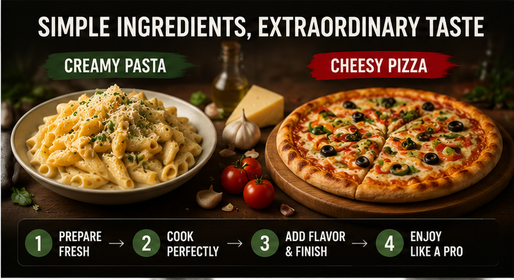
Tomato, mozzarella, basil, and olive oil can create an excellent pizza. Garlic, olive oil, pasta, herbs, and cheese can become a satisfying pasta dish when prepared correctly.
The Secret to Restaurant-Style Pizza Dough
Pizza dough is the foundation of great homemade pizza.
If the dough is dense, dry, or poorly developed, even excellent toppings cannot completely fix the final result.
A basic pizza dough usually contains:
- Flour
- Water
- Yeast
- Salt
- A small amount of olive oil, depending on the style
The ingredients are simple, but the preparation makes a major difference.
Give Pizza Dough Enough Time
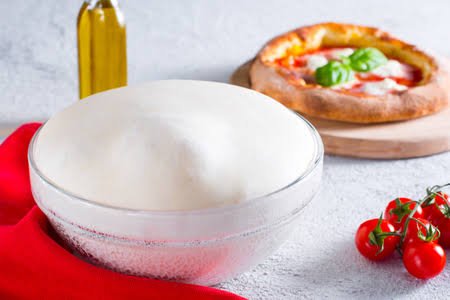
One of the biggest secrets behind flavorful pizza dough is fermentation.
Many home cooks prepare dough and bake it almost immediately. While quick dough can work, allowing additional fermentation time can improve both flavor and texture.
After preparing the dough, it can be allowed to rise and, depending on the recipe, undergo slower fermentation in the refrigerator.
Slow fermentation allows yeast activity to develop more complex flavors.
When using refrigerated dough, allow it sufficient time to become workable before shaping, according to the recipe you are following.
Avoid Adding Too Much Flour
Sticky dough can make beginners uncomfortable, so they often add additional flour.
Too much flour can produce a dry, heavy pizza crust.
Instead, lightly flour your work surface and hands when necessary while trying to preserve the dough’s moisture.
With practice, handling softer dough becomes much easier.
Don’t Use a Rolling Pin Unless the Style Requires It
For many hand-stretched pizza styles, shaping dough gently by hand helps preserve the gas developed during fermentation.
Press from the center outward while leaving a slightly thicker border around the edge.
Then carefully stretch the dough to the desired size.
This can help produce a lighter crust with a more attractive raised edge.
However, pizza styles differ, and some recipes intentionally use rolling or pressing methods. Match your shaping technique to the style of pizza you want to make.
High Heat Is the Key to Better Homemade Pizza
Professional pizza ovens can operate at temperatures significantly higher than standard home ovens.
That intense heat helps cook pizza quickly while creating a browned crust and properly melted toppings.
A home oven cannot always reproduce those exact conditions, but you can improve results by using the highest appropriate temperature your oven and cookware safely support.
Preheat the oven thoroughly before baking.
Do not place pizza into an oven that has only recently reached its displayed temperature if your pizza stone or steel still needs additional heating.
Consider a Pizza Stone or Steel
A pizza stone or baking steel can improve homemade pizza by providing a very hot surface underneath the dough.
This helps the base cook more effectively and can produce better browning.
Preheating is critical.
Follow the manufacturer’s instructions because different stones, steels, ovens, and temperature limits require different heating times.
If you do not own a pizza stone or steel, a sturdy baking tray can still produce good results.
Make a Simple Pizza Sauce
Pizza sauce does not need to be complicated.
Tomatoes can provide the foundation, while salt, herbs, garlic, and olive oil can add flavor depending on the pizza style.
One mistake is making the sauce excessively watery.
Too much moisture can contribute to a soft or soggy pizza base.
The amount of sauce also matters.
Spread a relatively thin layer rather than covering the dough with a heavy amount.
You should still be able to see some of the dough beneath the sauce.
Choose Cheese Carefully
Cheese affects both flavor and moisture.
Mozzarella is popular because it melts well and provides the familiar pizza texture many people expect.
However, very wet cheese can release excess moisture during baking.
If using fresh mozzarella, draining and drying it appropriately before topping the pizza can help manage moisture.
You can also combine mozzarella with smaller amounts of stronger cheeses to create additional flavor.
The goal is balance rather than covering the entire pizza with an extremely thick cheese layer.
Don’t Overload Your Pizza
More toppings do not automatically produce better pizza.
Heavy toppings can release moisture and make the crust more difficult to cook properly.
Instead, choose a few complementary ingredients.
For example:
Classic Margherita
Use tomato sauce, mozzarella, fresh basil, and olive oil.
Chicken and Mushroom
Use tomato sauce, mozzarella, cooked chicken, sliced mushrooms, and herbs.
Vegetable Pizza
Try bell peppers, onions, mushrooms, olives, and a moderate amount of cheese.
For ingredients that require full cooking for food safety, such as certain raw meats, cook them appropriately before using them as pizza toppings unless your tested recipe specifically accounts for safe cooking during baking.
How to Make Restaurant-Style Pasta at Home
Excellent pasta depends on much more than simply boiling noodles and pouring sauce over them.
Restaurant kitchens typically treat the pasta and sauce as parts of the same dish.
The final cooking stage brings them together.
This is one of the most useful techniques home cooks can learn.
Use Enough Water for Cooking Pasta
Choose a pot large enough for the amount of pasta you are cooking and use sufficient water so the pasta can move freely.
Bring the water to a strong boil before adding the pasta.
Salt the cooking water to season the pasta itself.
You do not need to make the water excessively salty. The goal is simply to season the pasta while it cooks.
Stir shortly after adding the pasta to reduce sticking.
Cook Pasta Until Al Dente
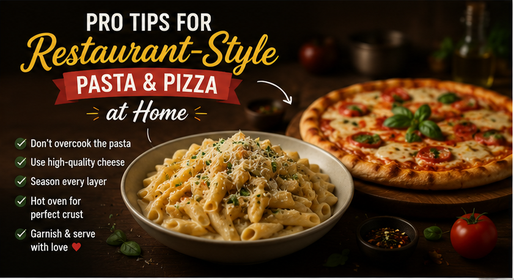
Overcooking is one of the easiest ways to ruin otherwise good pasta.
Restaurant-style pasta is commonly cooked al dente, meaning it is cooked through while retaining a slight firmness when bitten.
Start checking the pasta shortly before the package’s suggested cooking time.
Remember that pasta may continue cooking briefly when transferred into hot sauce.
If you intend to finish it in the sauce, removing it slightly earlier can help prevent overcooking.
Save Your Pasta Water
Before draining pasta, reserve some of the cooking water.
This cloudy water contains starch released by the pasta.
A small amount can help loosen a sauce and encourage it to coat the pasta more smoothly.
Instead of adding plain tap water when a sauce becomes too thick, gradually add small amounts of reserved pasta water until you reach the desired consistency.
This simple technique can make homemade pasta feel much more polished.
Finish the Pasta in the Sauce
This is one of the most important secrets of restaurant-style pasta.
Instead of putting plain pasta on a plate and spooning sauce over it, transfer the nearly cooked pasta directly into the pan containing your sauce.
Toss everything together over gentle or moderate heat for a short time.
Add a little reserved pasta water if needed.
This allows the sauce to coat the pasta rather than simply sitting on top.
The difference in texture can be dramatic.
Learn to Balance Your Sauce
Great pasta sauce is about balance.
Too much salt can overpower other flavors. Too much acidity can make tomato sauce harsh. Excessive cream can make a dish heavy.
Taste your sauce as you cook.
Depending on the recipe, balance may come from olive oil, cheese, herbs, aromatics, or simply additional cooking time.
Avoid automatically adding sugar to every tomato sauce. Some tomato sauces may not need it at all.
The quality and natural sweetness of the tomatoes can make a significant difference.
Restaurant-Style Tomato Pasta
A simple tomato pasta can taste excellent when prepared carefully.
Start by gently cooking garlic in olive oil without burning it.
Add quality tomatoes and season moderately with salt and pepper. Allow the sauce to cook until the flavors come together.
Meanwhile, cook your pasta until just before your preferred level of doneness.
Reserve some pasta water.
Transfer the pasta into the tomato sauce and toss it together. Add small amounts of pasta water as needed.
Finish with fresh basil and grated hard cheese if desired.
The result is simple, but proper technique creates a smoother and more balanced dish.
Making Creamy Pasta Without a Heavy Sauce
Cream-based pasta can become overly rich when too much cream or cheese is used.
The goal should be a smooth sauce that coats the pasta rather than a thick layer that overwhelms it.
Depending on your chosen recipe, butter, cream, cheese, pasta water, or a combination can create the desired consistency.
Control the heat carefully when working with dairy and cheese.
Very high temperatures can cause certain sauces to separate or become greasy.
Add cheese gradually and keep tossing until the sauce becomes smooth.
Use Fresh Herbs at the Right Time
Herbs can add freshness and aroma to both pizza and pasta.
Basil, parsley, oregano, rosemary, and thyme can all be useful depending on the recipe.
However, not every herb should be treated the same way.
Some dried herbs can withstand longer cooking, while delicate fresh herbs often taste better when added toward the end.
Fresh basil, for example, can provide a brighter aroma when added shortly before serving.
Garlic: Small Ingredient, Big Difference
Garlic is common in many pasta sauces and some pizza preparations.
The key is not to burn it.
Burnt garlic can become bitter and overpower the entire dish.
Cook garlic gently in oil or butter until fragrant, following the needs of your recipe, and then add the other ingredients.
The difference between aromatic garlic and burnt garlic can be only a short amount of cooking time.
Olive Oil as a Finishing Ingredient
Olive oil is not only useful for cooking.
A small drizzle of good-quality extra-virgin olive oil over finished pasta or pizza can add aroma and richness.
Because the oil is added after cooking, its flavor can remain more noticeable.
Do not use so much that the food becomes greasy.
A small amount is usually enough.
Presentation Makes Homemade Food Feel Special
Restaurant dining is partly about presentation.
You do not need complicated plating techniques to make homemade pasta and pizza look appealing.
For pasta, use an appropriately sized bowl or plate and avoid overcrowding it. Finish with herbs or grated cheese when suitable.
For pizza, allow it to settle briefly after baking, then slice cleanly and add fresh ingredients such as basil if the recipe calls for them.
A clean plate and thoughtful presentation can make a simple meal feel significantly more special.
Common Pizza Mistakes to Avoid
Several small mistakes can prevent homemade pizza from reaching its full potential.
The first is insufficient oven preheating. Pizza generally benefits from strong initial heat.
Another is adding too much sauce, cheese, or wet toppings.
Poorly fermented dough can also lack flavor and desirable texture.
Finally, avoid stretching the center so thin that it cannot support the toppings.
Good pizza is about balancing the crust, sauce, cheese, and toppings.
Common Pasta Mistakes to Avoid
Overcooking pasta is one of the most common problems.
Another is completely draining the pasta without saving any cooking water.
Home cooks also frequently rinse cooked pasta unnecessarily. For most hot Italian-style pasta dishes, rinsing removes surface starch that can help the sauce adhere.
Using excessive sauce can also hide the flavor and texture of the pasta.
Instead, use enough sauce to coat the pasta properly.
Essential Tools for Better Homemade Pasta and Pizza
You do not need a restaurant kitchen, but several basic tools can make cooking easier.
For pizza, useful equipment can include a pizza stone or steel, baking tray, dough scraper, kitchen scale, and pizza cutter.
For pasta, a large pot, colander, tongs, sauté pan, cheese grater, and measuring tools are helpful.
A digital kitchen scale is particularly useful for pizza dough because measuring flour and water by weight can provide more consistent results than using cups alone.
How to Plan a Restaurant-Style Italian Dinner at Home
A little planning can make cooking much easier.
Prepare pizza dough in advance so it has time to ferment.
Make sauces before guests arrive when the recipe allows.
Wash and prepare herbs and toppings in advance.
Grate cheese and organize ingredients before beginning final cooking.
This preparation is known as mise en place, a kitchen practice of having ingredients and tools organized before cooking.
It helps reduce stress and makes timing easier.
Can Homemade Pizza Be as Good as Restaurant Pizza?
Yes, homemade pizza can be excellent, although it may have a different character from pizza baked in specialized commercial ovens.
Home cooks have one major advantage: complete control over the ingredients.
You can choose the flour, fermentation time, sauce, cheese, toppings, and portion size.
With proper dough development and high-temperature baking, a standard home oven can produce impressive results.
Practice matters.
Each pizza teaches you something about dough consistency, oven temperature, topping quantities, and baking time.
Can Homemade Pasta Taste Restaurant-Quality?
Absolutely.
The biggest improvements often come from technique rather than expensive ingredients.
Cook the pasta correctly, reserve some cooking water, finish the pasta directly in the sauce, control the temperature, and taste before serving.
These simple habits can significantly improve texture and flavor.
Restaurant-quality cooking is often about performing basic steps consistently well.
Healthier Homemade Pasta and Pizza
Cooking at home also gives you greater control over portions and ingredients.
You can use more vegetables, moderate the amount of cheese, choose lean protein sources, and adjust salt according to your needs.
Whole-grain pasta or alternative flour products can also be used when they suit your dietary preferences.
Instead of viewing pizza and pasta as automatically unhealthy foods, consider the overall recipe, serving size, and balance of ingredients.
Homemade versions can be adapted to different dietary goals while remaining enjoyable.
Frequently Asked Questions
What is the secret to restaurant-style pizza at home?
Properly fermented dough, balanced toppings, good ingredients, and a thoroughly preheated oven are among the most important factors. A pizza stone or steel can further improve crust browning in many home ovens.
Why does restaurant pasta taste better?
Restaurants commonly finish pasta directly in the sauce and use reserved pasta water to adjust consistency. Proper seasoning, cooking pasta al dente, and controlling sauce temperature also make a significant difference.
Should I put oil in pasta cooking water?
It is generally unnecessary. Properly boiling and stirring the pasta is usually sufficient. Oil on the surface can also make it harder for some sauces to cling to the pasta.
Why does homemade pizza become soggy?
Common causes include too much sauce, excessive cheese, wet toppings, insufficient oven heat, or a poorly preheated baking surface.
Should pasta be rinsed after cooking?
For most hot pasta dishes served with sauce, rinsing is unnecessary because it removes useful surface starch. Rinsing can be appropriate for some cold preparations or specific recipes.
How can I make pizza crust crispier?
Preheat your oven thoroughly, avoid excessive wet toppings, and consider using a properly preheated pizza stone or baking steel according to its manufacturer’s instructions.
Final Thoughts
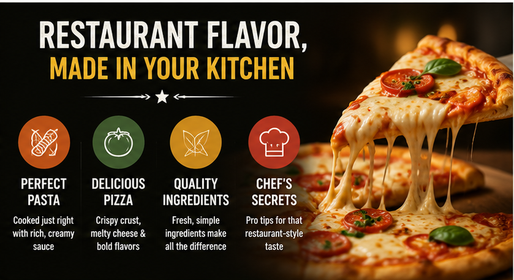
The secret to making restaurant-style pasta and pizza at home is not one magical ingredient. It is a collection of small techniques that work together.
Give pizza dough enough time to develop, avoid overloading it with toppings, and bake it with strong heat. For pasta, cook it al dente, reserve some pasta water, and finish it directly in the sauce.
Most importantly, keep your ingredients balanced.
Italian-inspired cooking often works best when simple ingredients are treated carefully rather than hidden beneath excessive sauces, cheese, or seasonings.
With practice, your kitchen can produce pasta and pizza that look impressive, taste delicious, and provide the satisfaction that comes from preparing a restaurant-inspired meal at home.